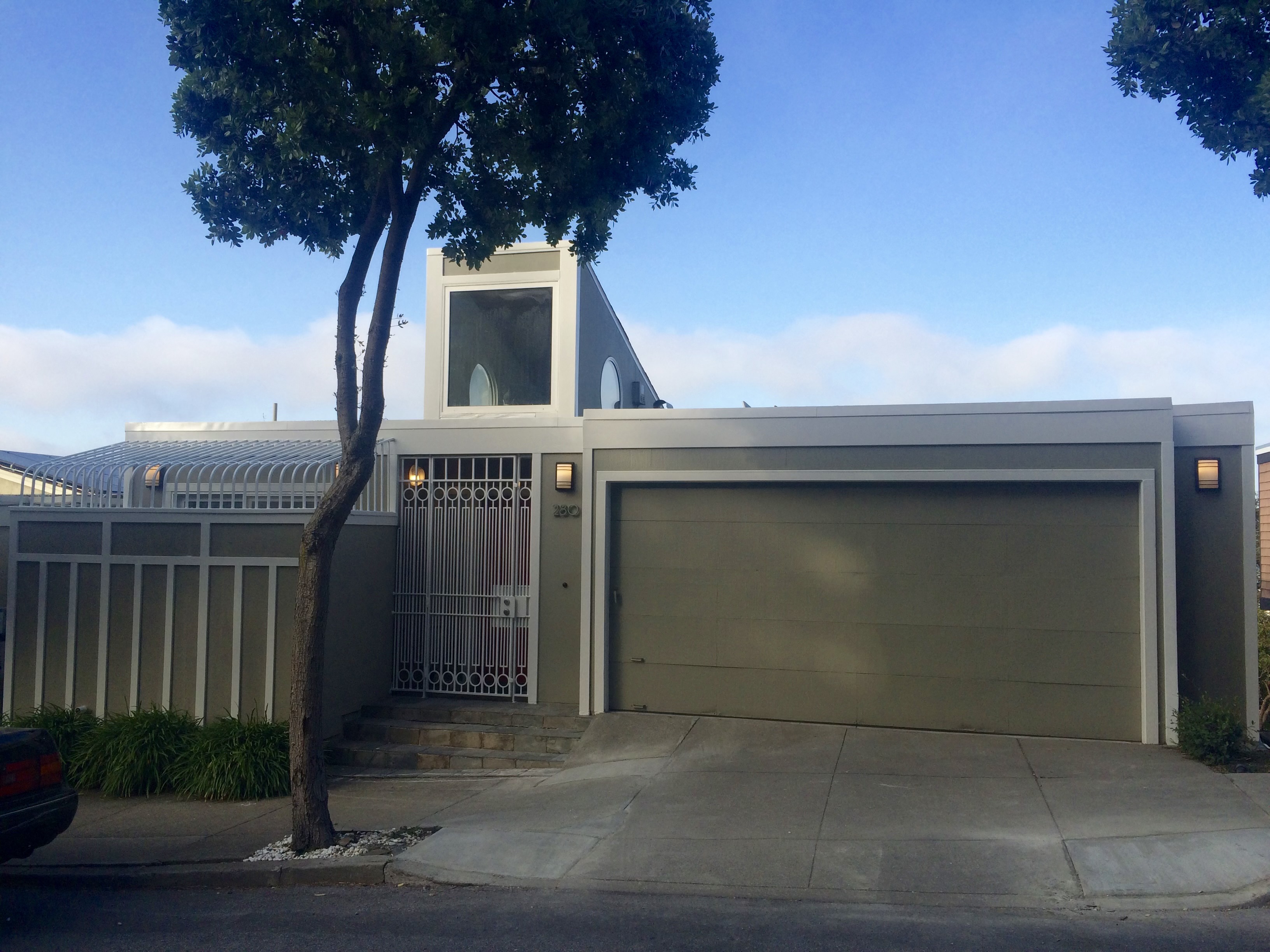
The Damage You Cannot See Is the Damage That Costs the Most.
How a Noe Valley Homeowner Stopped a Silent Moisture Failure Before It Consumed the Wall Assembly and What It Takes to Do the Job Correctly.
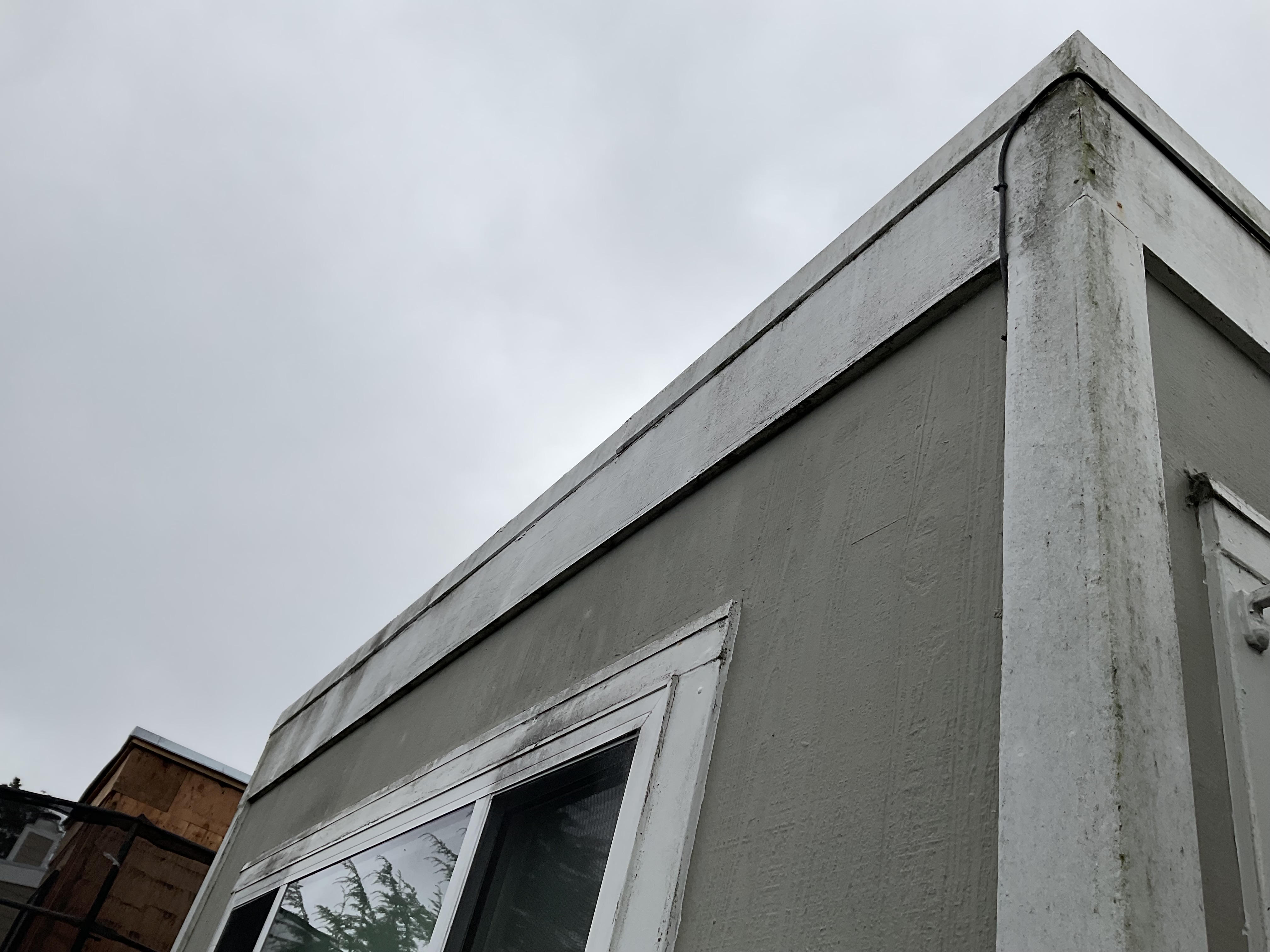
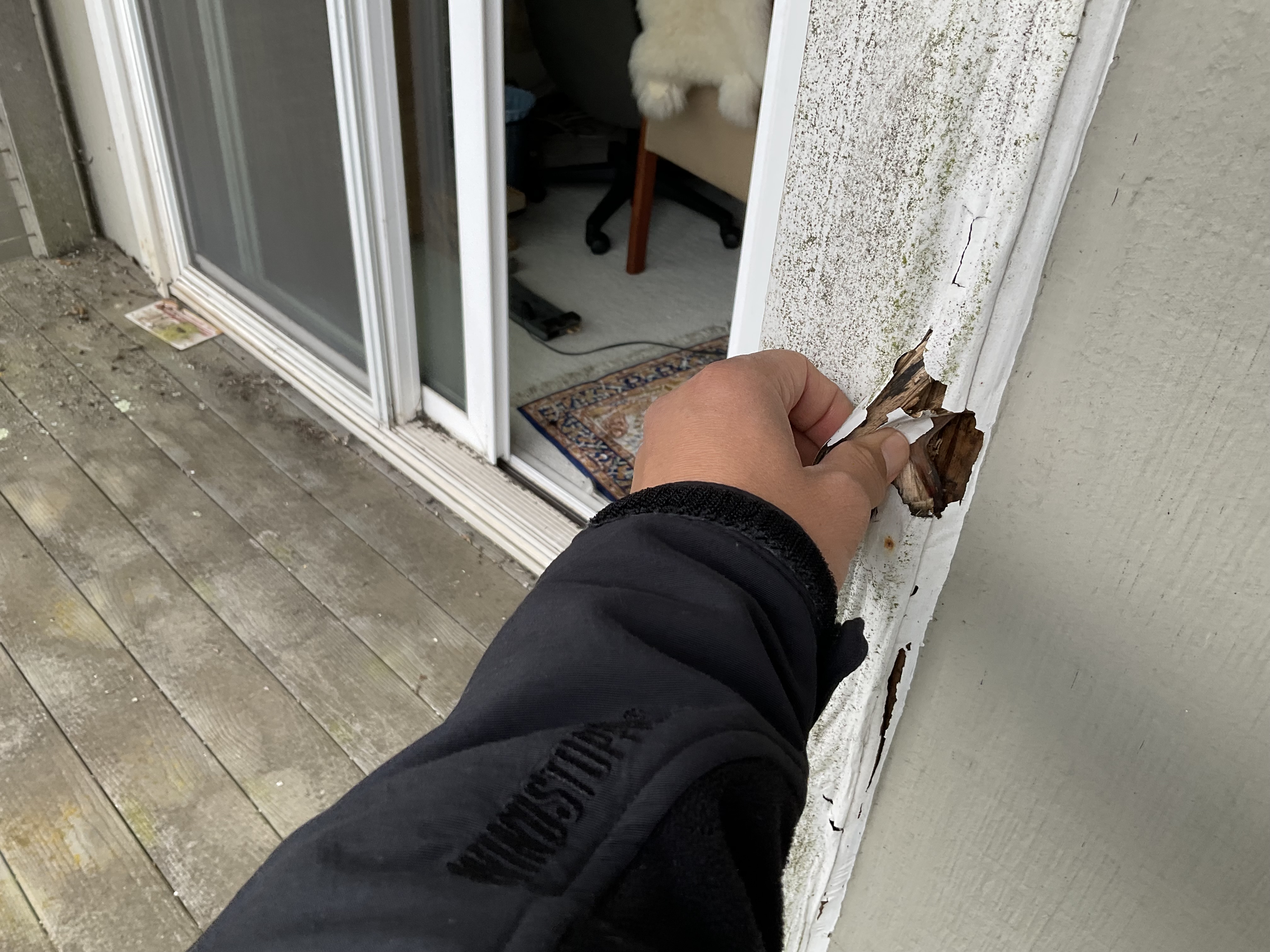
It started as peeling trim around a garden window.
That is almost always how it starts. A cosmetic detail. Something that looks like a maintenance item. Something that gets noted, deferred, and noted again.
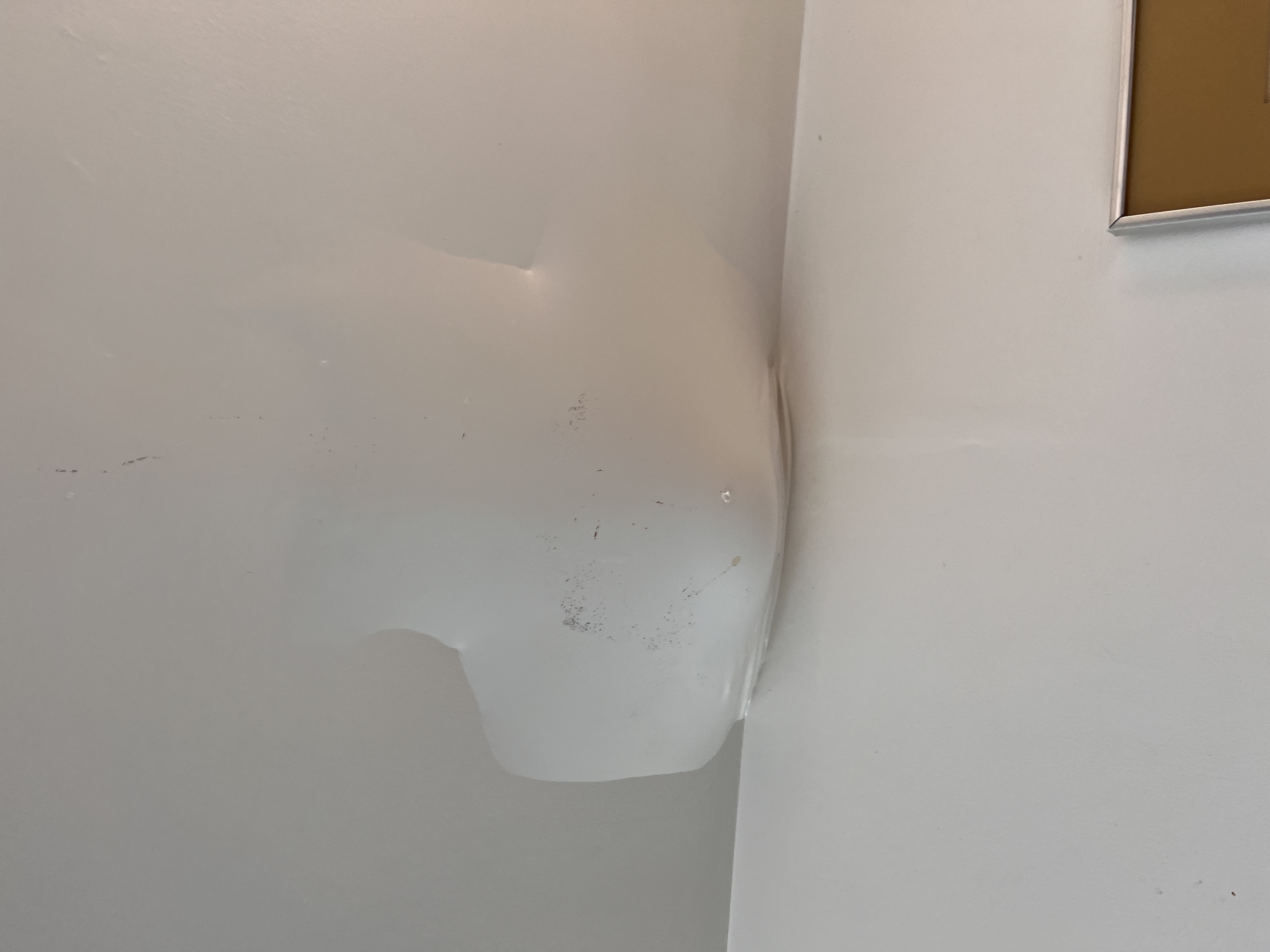
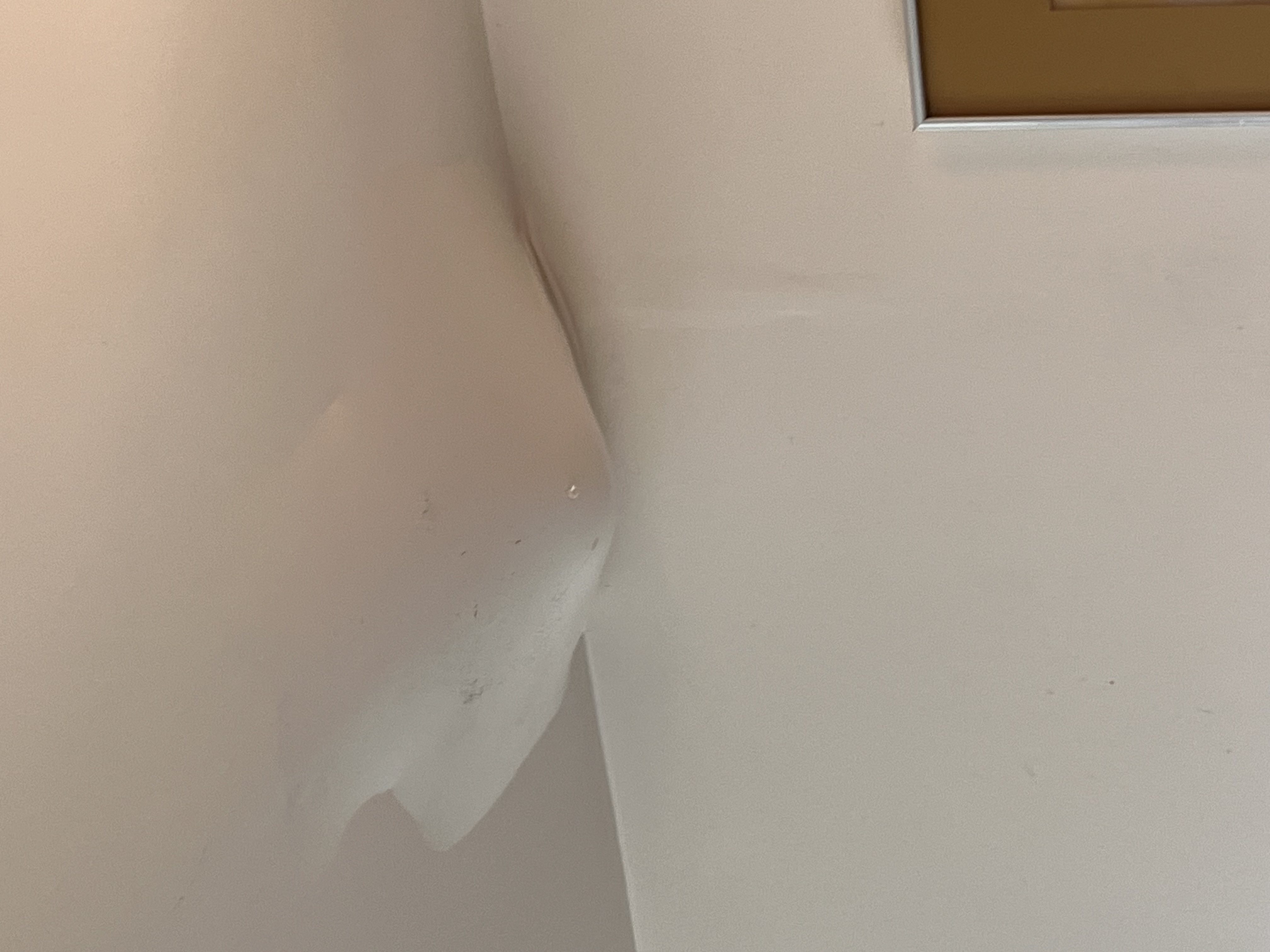
What our team found behind that trim once scaffolding was erected and the wall assembly was properly opened was a moisture intrusion failure years in the making. Improper Z-flashing at the window transition. Deteriorated plywood sheathing. Rot spreading silently behind the siding. A rear deck floor joist exhibiting softness that indicated concealed structural damage. And an interior door and trim system compromised by prolonged exposure that no surface repair could have addressed.
In San Francisco's coastal climate, this is not an unusual finding. It is, however, an unusually consequential one because water behind a wall assembly does not wait for a convenient repair window. It moves.
What San Francisco Homes Are Actually Facing
San Francisco's climate is among the most demanding on the West Coast for exterior building envelopes. Sustained marine moisture, temperature cycling, fog-driven condensation, and wind-driven rain combine to stress window transitions, siding seams, and flashing details in ways that most construction — especially construction from earlier eras — was never designed to handle long-term.
When moisture intrusion takes hold, the sequence is predictable:
- Water enters at improperly flashed window transitions or deteriorated siding seams, often invisibly
- Plywood sheathing absorbs moisture and begins to degrade, losing structural integrity over months and years
- Framing members behind the sheathing soften and rot, threatening the load-bearing capacity of the wall assembly
- Deck joists and floor framing in adjacent areas are frequently affected, often without visible surface indicators
- Interior finishes doors, trim, and framing are eventually compromised as moisture migrates inward
- By the time damage is visible from the interior, the exterior repair scope has typically doubled
The only effective response is a complete diagnosis not a cosmetic replacement of what is visibly damaged.
Why This Project Could Not Wait for Spring
This project was executed from fall through winter a deliberate decision driven by the severity of the active moisture intrusion, not convenience. When a wall assembly is failing during rain season, deferring repair until favorable weather is not a conservative choice. It is an expensive one.
The exterior painting phase was held until weather conditions permitted proper adhesion and cure a non-negotiable standard if the finish is to perform over time. Cutting that corner to accelerate the schedule would have undermined the entire moisture management system we installed.
Total project duration: approximately 5 months from initial engagement through final painted finish. The right timeline, not the fastest one.
The Diagnostic and Permitting Process
Because the scope involved structural repair and window replacement — not merely cosmetic work — drawings were prepared and permits were secured before construction began. This was an over-the-counter permit: drawings were submitted and approved within approximately one month, allowing construction to proceed without delay.
Permitted work is not a bureaucratic inconvenience. For a homeowner, it is documentation that the repair was performed to code, inspected, and approved a material fact at the time of any future sale, refinancing, or insurance claim.
What the Work Actually Involved
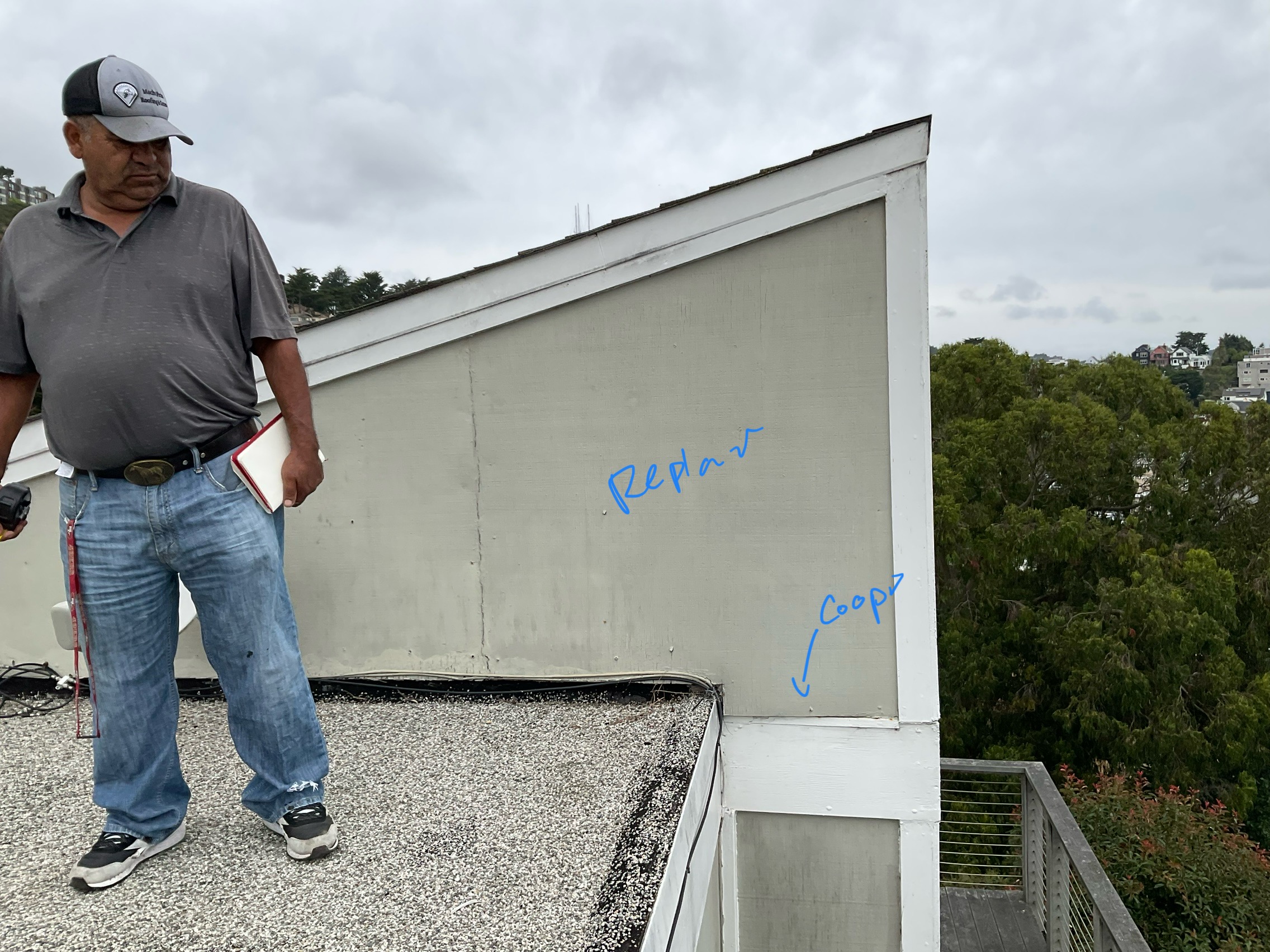
Scaffolding was installed to provide safe, controlled access to upper exterior sections. Damaged trim, siding, and sheathing were methodically removed to expose framing conditions and map the full extent of moisture damage a critical step that prevented the common mistake of repairing only what was visible.
The complete scope of work included:
- Full replacement of compromised exterior trim and siding
- Installation of proper Z-flashing at all window transitions the root cause of the original failure
- New moisture barrier installed behind plywood sheathing throughout the affected wall assembly
- Replacement of all damaged plywood sections, with both faces primed before installation to prevent future moisture absorption
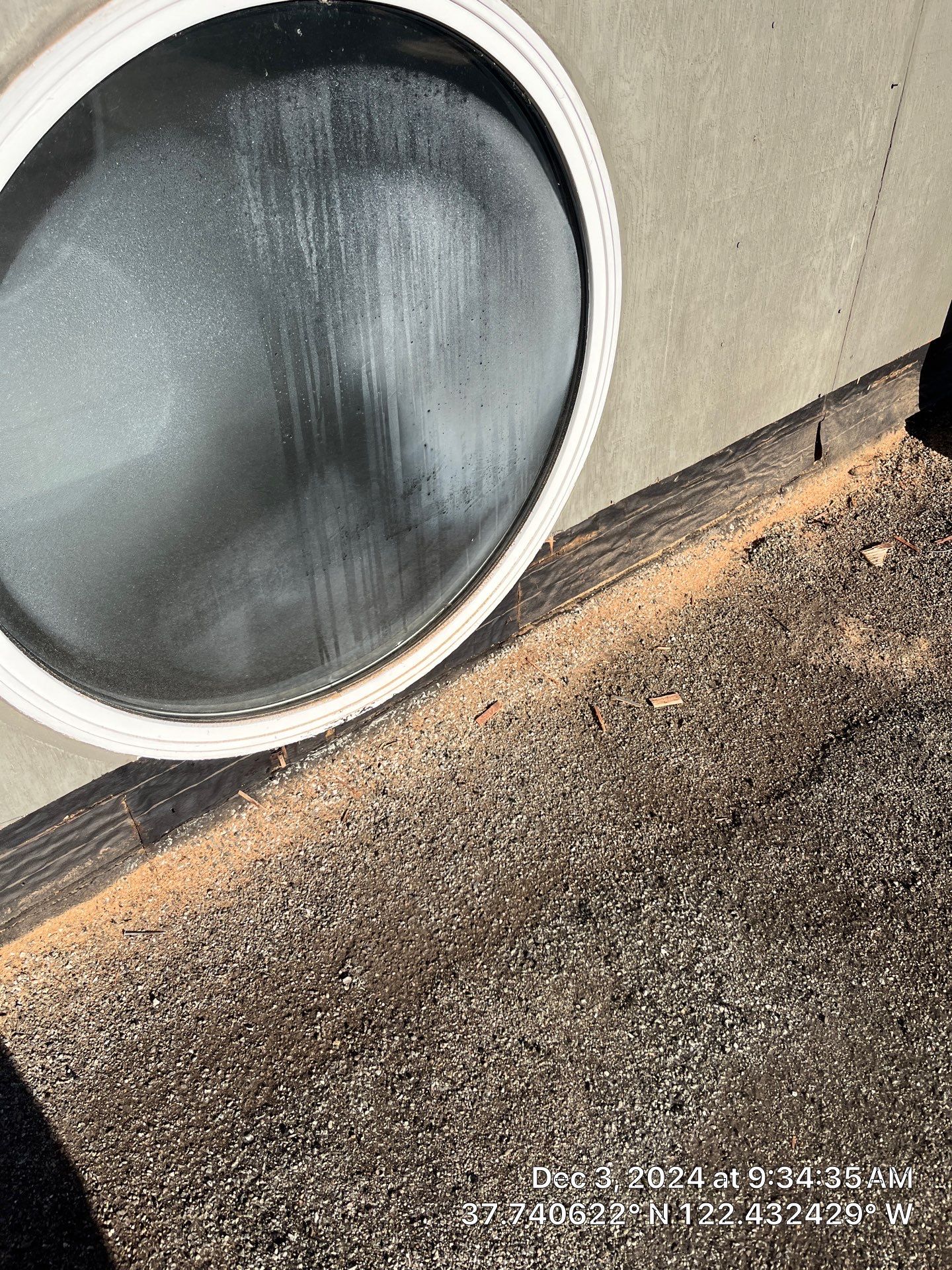
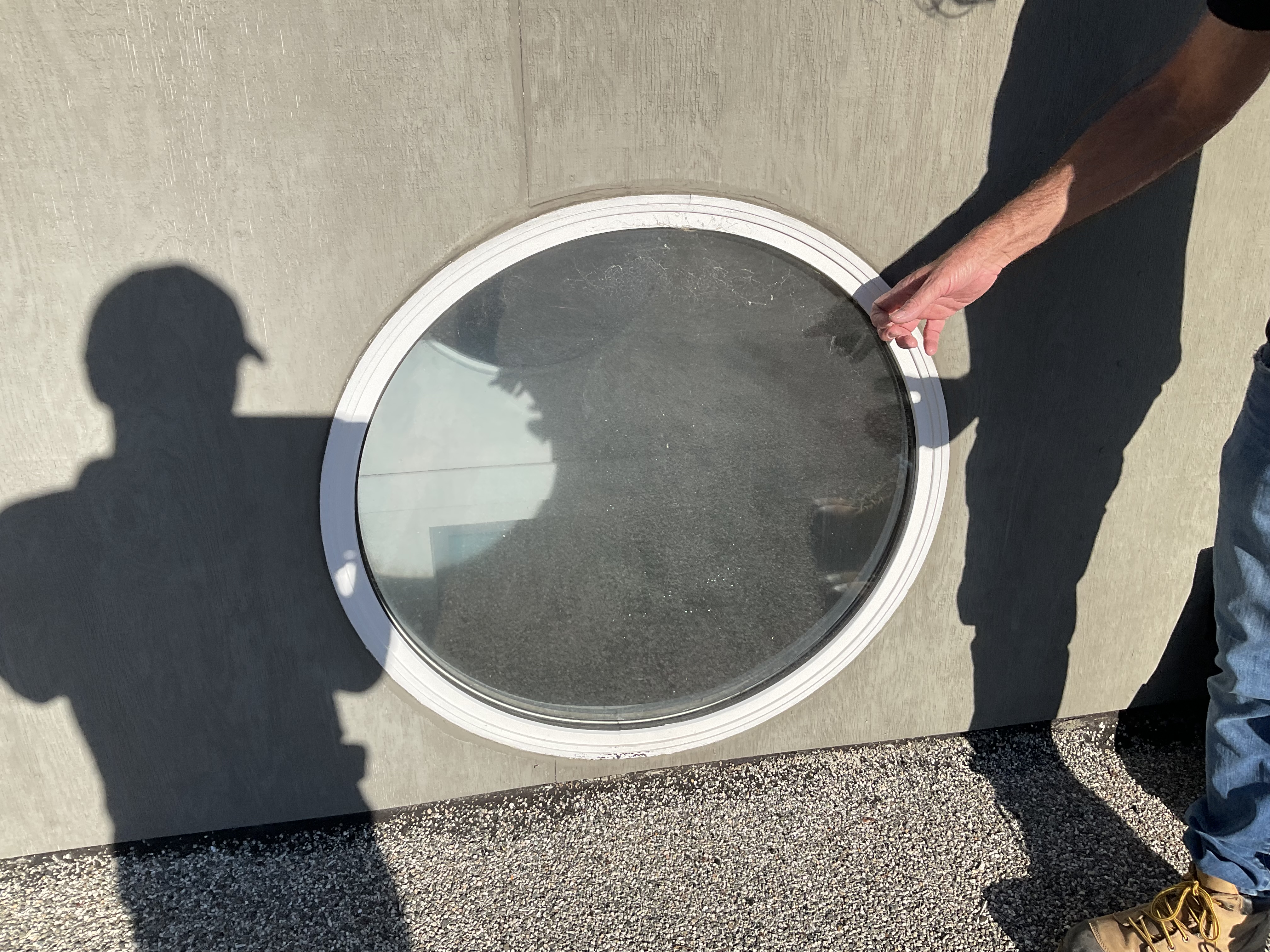
- Complete replacement of the kitchen garden window unit (the original obscure glass was no longer available, making partial repair impossible)
- L-bracket installation to reinforce structural connections at key framing points
- Replacement of the first-floor exterior door and interior trim damaged by moisture migration
- Investigative opening of the rear deck framing to assess the extent of concealed dry rot in the compromised floor joist
Every plywood transition between siding sheets was properly flashed to ensure water is directed outward not trapped behind the wall system where it cannot be seen or measured.
The Outcome
The home's exterior envelope is now correctly assembled flashed, moisture-barriered, and structurally sound. The moisture pathway that had been feeding deterioration for years has been eliminated, not patched.
The homeowners have permitted documentation confirming code-compliant repair. They have a wall assembly that will perform in San Francisco's climate. And they have certainty which is worth considerably more than the cosmetic result alone.
Project Timeline & Investment: Drawings and permitting for over-the-counter repairs of this type typically take approximately 1 month. Construction runs 3–4 months, with exterior painting scheduled around weather conditions bringing the total engagement to approximately 5 months from start to final finish.
Projects of this scope typically represent a total investment of $150,000–$200,000. That investment is best understood in context: it includes permitted structural repair, full moisture management correction, window replacement, and a restored exterior envelope work that eliminates an active failure rather than deferring it.
SCHEDULE YOUR EXTERIOR ASSESSMENT
If your San Francisco home shows any of the following, the moisture pathway is already open:
- Peeling, bubbling, or soft exterior trim especially around windows and doors
- Water staining on interior walls adjacent to windows or exterior doors
- Visible siding deterioration, discoloration, or gaps at siding seams
- Softness or springiness in deck flooring or framing near exterior walls
- A repair that has been "done before" but the problem has returned